



Presence

Gratitude

Dis-identification with Ego

Acceptance

Altruism
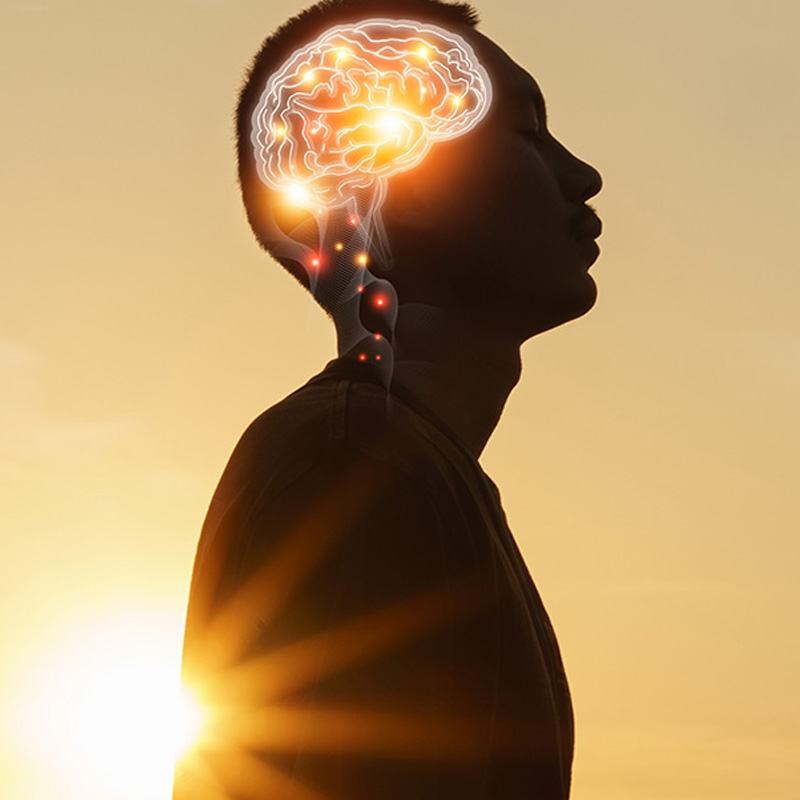
Integration with the Body

Sense of Connection to Nature
Presence
Presence means that we are fully aware of our present moment experience, including our surroundings and the sensations and perceptions we are experiencing. Presence means being fully here, in the world, in our body and senses.
Gratitude
One of the essential characteristics of awakened people is that they are free of the ‘taking for granted syndrome.’ They never become habituated to the blessings in their lives. They feel continually grateful for their bodies, their health, their family and friends and their leisure time. They feel grateful for the food they eat, the clothes they wear, the houses or apartments they inhabit and the trees, flowers and other natural phenomena around them. They feel grateful for their freedom – their freedom to travel, to express their creativity and to choose their own lifestyle. Above all, awakened people feel grateful simply to be alive.
Dis-identification with the ego
Disidentification with the ego is the gateway to awakening. It is the ability to observe our thoughts without being caught up in them and allowing them to dictate our moods. It means realizing that thought-chatter is a process that takes place inside our minds, but which doesn’t have to affect us. It also means disidentifying with the “stories” that the ego carries about our lives, which are always based on the past. When we dis-identify with the ego, our minds become quieter, and we feel more connected to the world.

Acceptance
Wakefulness means living a mode of acceptance, not fighting with our thoughts, not mentally complaining about situations that are beyond our control, or feeling bitter about past events that can’t be changed. If we are ill or injured, we don’t get frustrated, but relax and rest to allow their bodies to heal. If we have to wait for a long time for an appointment or for service at a store, we don’t get agitated, but remain patient and present.
Integration with the body
Awakening intensifies our awareness of - and experience of - the body. Just as awakening brings an enhanced sense of connection to nature and other living beings, it brings an enhanced connection to the body. A holistic, integrated form of wakefulness perceives no duality between the spirit and the body, or between the spirit and the world. The body is not to separate to spirit, but is imbued with spirit, and is the physical expression of spirit. We should therefore cultivate harmony between the material and spiritual aspects of our being.
Altruism
Wakefulness manifests itself in empathy, compassion and altruism. Awakened individuals live lives of service. In one way or another, they all contribute to the welfare of humanity, and bring healing to the world. In addition to being one of the fruits of awakening, service (or altruism) is a spiritual practice in itself. Service helps us to transcend separateness. It softens our ego-boundaries and connects us with others, and with the world itself. It helps us to transcend our egoic desires, so that we become less self-centred. By giving to the world, we reduce our need to take from it.
Sense of connection to nature
In wakefulness, the natural world becomes more real, more alive and more beautiful. We feel a sense of connection to nature, and sense that all other living beings and natural phenomena are sentient and share our essence. Nature becomes a marvelous of stillness and joy.